
-
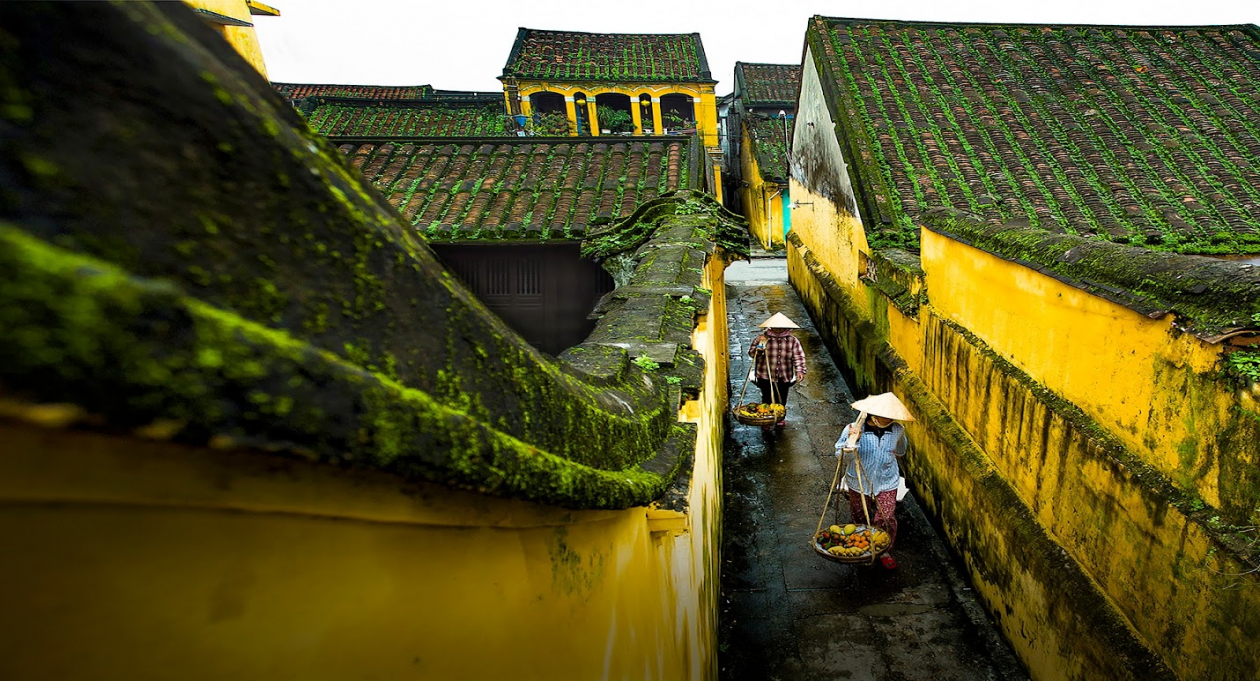
Where time eddies softly: Hoi An in the post-rain glow
A downpour in the Ancient Town never arrives with a polite introduction; it sweeps across the Thu Bon River in a sudden, dramatic flourish, clearing the streets and sending cyclos scurrying for cover beneath low-slung wooden eaves. Yet it is the immediate aftermath, the quiet, breathless lull when the storm passes, that reveals the Hoi An at its most beautiful.
To witness this town after a summer deluge is to watch a watercolour painting come to life, its pigment bleeding softly into the humid air.

Hoi An after rain (Photo: Le Trong Khang)
A symphony in ochre and moss
As the last heavy droplets tap against the terracotta roof tiles, a profound stillness settles over the alleyways. The stifling heat of the afternoon is washed away, replaced by the earthy, petrichor-laden breath of the river.
Walking through the glistening streets, the eyes are treated to scenes of visual poetry unique to this corner of Central Vietnam. The iconic ochre-yellow walls, damp from the rain, deepen into a rich, honeyed gold. The wet street acts as a dark mirror, doubling the beauty of the moss-covered facades. Silk lanterns, heavy with rainwater, hang like oversized, glowing fruit from the wooden rafters. Their vibrant crimson, turquoise, and violet hues bleed into the puddles below, fragmenting the light into thousands of shimmering jewels. The brilliant pink blossoms, weighed down by the storm, drop silently onto the wet cobblestones, creating a scattered, romantic carpet of petals.
The art of doing nothing
Hoi An does not merely encourage slow living; it demands it. And there is no finer hour to practice this philosophy than the post-rain pauses.
Stepping into a centuries-old teahouse, the wooden floorboards creak softly underfoot, a comforting reminder of the generations who have sought shelter here before. The air inside smells of cinnamon, aged timber, and roasted lotus seeds.
"Time behaves differently here. It doesn't rush toward the future; it eddies softly in place, much like the lazy current of the Thu Bon."
Sitting by an open window, cradling a warm cup of traditional herbal tea, the world outside slows to a crawl. You watch a solitary vendor, conical hat tilted against the remaining drizzle, push her wooden cart past a weathered turquoise door. There is no urgency in her stride. In Hoi An, everyone understands that the rain will pass, the sun will dry the stones, and the river will keep flowing.
Twilight on the liquid mirror
As dusk begins to settle, the town undergoes its final, most magical transformation. The dampness in the air catches the twilight, creating a soft, misty haze that blurs the edges of reality.
The Japanese Covered Bridge stands proud against the violet sky, its reflection shimmering on the glassy surface of the canal. Wooden sampans glide silently across the water, leaving gentle ripples that distort the reflected lanterns into dancing ribbons of light.
It is a landscape stripped of modern noise, a dreamscape where the 21st century feels like a distant rumour. In this quiet, rain-washed sanctuary, Hoi An doesn't just capture your heart; it teaches you how to breathe again.


