
-
Gia Lai: Chasing cool breezes and ancient culture
Positioned on a majestic plateau averaging 700 to 800 metres above sea level, Gia Lai stands out as a destination of raw, untamed geography, refreshing mountain microclimates, and deep cultural antiquity. This enduring allure takes centre stage as the province proudly anchors the regional celebrations for Visit Vietnam Year 2026, inviting international travellers to uncover the country's most authentic highland secrets. Far from the urban bustle, this province provides an ideal summer retreat where nature and age-old traditions coexist in perfect harmony.
The refreshing climate of the Central Highlands
Gia Lai's primary geographic advantage is its elevated topography, which ensures significantly cooler temperatures than the coastal plains throughout the summer. The air remains crisp and thin, frequently swept by mountain breezes that carry the earthy scent of red basalt soil and expansive pine forests.
Pleiku serves as the gateway to this climatic sanctuary. Visitors can escape the heat beneath the dense canopy of ancient pine forests that line the approaches to the city, creating an immediate sense of tranquil isolation.

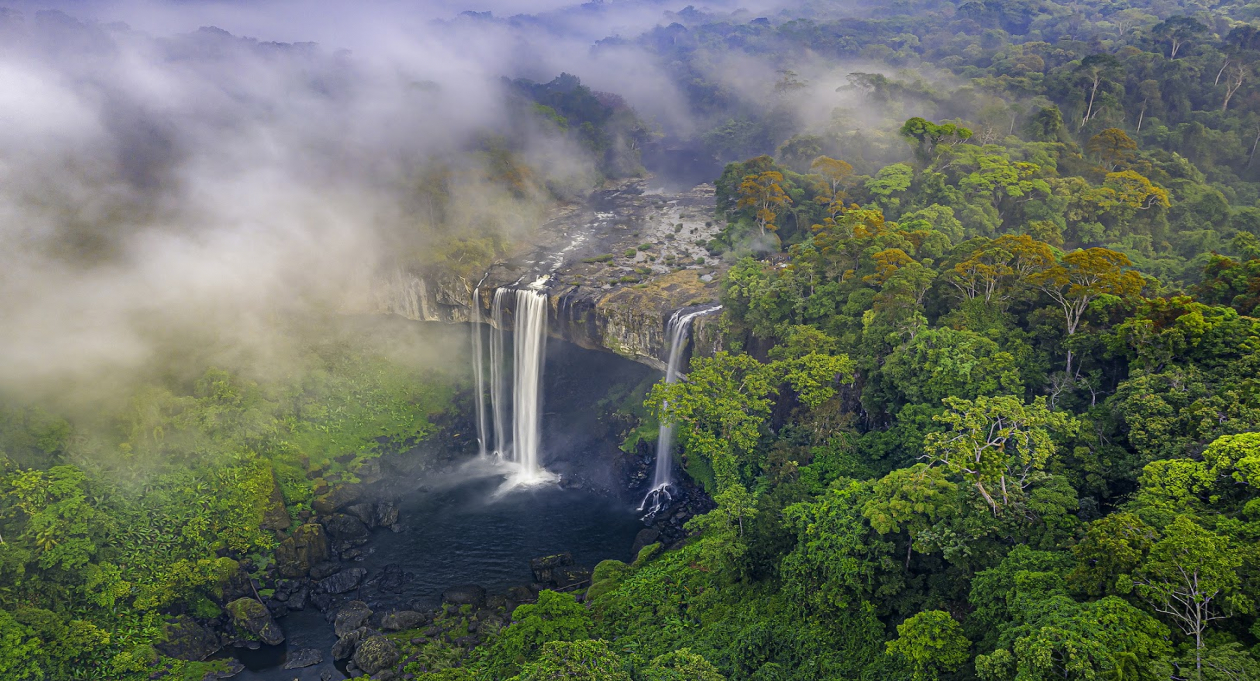
En Waterfall (Photo: Phan Thi Khanh)
Epic natural landscapes
The volcanic history of Gia Lai has sculpted a dramatic landscape featuring crater lakes, rugged mountains, and powerful waterfalls.
- T’Nung Lake (Bien Ho): Known poetically as the "Eye of Pleiku", this oval-shaped body of water is an extinct volcanic crater. Surrounded by pine-covered hills, its clear, deep blue waters mirror the highland sky, offering an oasis of absolute calm.
- Chu Dang Ya Volcano: Located further into the countryside, this dormant volcano is a striking geographical landmark. While famous for its wild sunflowers in winter, its fertile crater slopes are transformed in summer into a lush, multi-hued patchwork of local agricultural crops.
- Phu Cuong Waterfall: Tumbling over a sheer basalt cliff amidst a pristine forested valley, this thunderous waterfall creates a dramatic mist that instantly cools the surrounding air, making it a spectacular sight during the summer rains.

Chu Dang Ya Volcano (Photo: [email protected])
Ancient heritage and indigenous culture
Beyond its natural assets, Gia Lai boasts an ancient cultural landscape rooted in the heritage of its indigenous ethnic communities, primarily the Jrai and Bahnar peoples.
The communal spirit of the Rong House
The architectural and social focal point of any traditional village is the Rong House. These soaring structures, with their steeply pitched, axe-blade-shaped thatched roofs, serve as the venue for village councils, sacred rituals, and community festivals.
Space of Gong Culture
Gia Lai is a vital custodian of the Space of Gong Culture, Masterpieces of the Oral and Intangible Heritage of Humanity. In the quiet summer evenings, the resonant, polyphonic tones of bronze gongs echo through the villages, accompanying traditional dances that have remained unchanged for generations.

Photo: Nguyen Hung Quan
Practical Travel Metrics
|
Aspect |
Travel Details |
|---|---|
|
Accessibility |
Pleiku Airport connects directly to major hubs including Hanoi and Ho Chi Minh City, making the highlands easily accessible. |
|
Summer Attributes |
Average temperatures range from 20°C to 30°C, offering visitors a comfortable and pleasant climate throughout the year. |
|
Local Gastronomy |
Notable for its unique dry pho (Pho Hai To - Two Bowls Pho Noodle Soup), grilled chicken cooked in bamboo tubes (Ga Nuong Com Lam), and premium highland coffee. |


